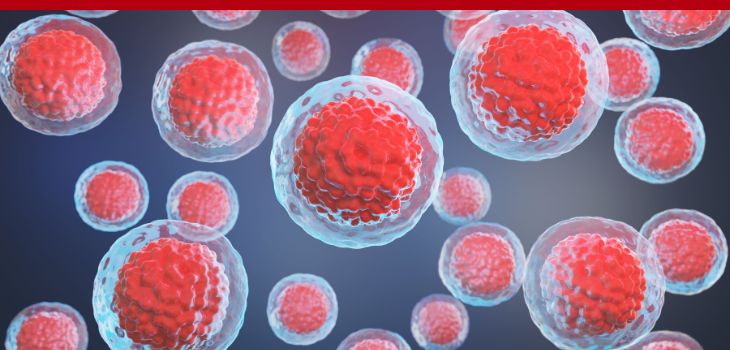
When you hear about stem cells, it might sound like science fiction—or a miracle cure for every health problem. But the truth lies somewhere in between.
In this episode, Ted sits down with Joshua Ketner, a stem cell therapy expert, to separate fact from fiction. They dive into what stem cells actually are, how they’re used today, and what you should know before considering them for injuries, chronic pain, or anti-aging purposes.
Joshua explains the differences between legitimate science and overhyped claims, why not all treatments are equal, and what recovery really looks like. They also explore the exciting potential of regenerative medicine for longevity and performance—without sugarcoating the risks or limitations.
If you’ve been curious about whether stem cells are the right choice for you, this episode will give you the clarity you need. Listen now!
Today’s Guest
Joshua Ketner
Joshua Ketner is the founder of Dream Body Clinic, Mexico’s leading center for Mesenchymal Stem Cell treatments. Since 2012, he and his wife Venus have helped clients worldwide access innovative therapies often restricted in their home countries. Driven by personal experience and a passion for healing, Joshua has built one of the largest stem cell facilities in Mexico, dedicated to helping people recover, rejuvenate, and thrive. Listen now!
Connect to Joshua Ketner
You’ll learn:
- What stem cells really are and how they work in the body
- The difference between legitimate therapies and overhyped promises
- How stem cell therapy is being used for pain and injury recovery
- The role of stem cells in longevity and performance optimization
- What to expect before, during, and after treatment
- Why not all stem cell procedures are created equal
- The biggest risks and limitations you need to be aware of
- Practical advice if you’re considering regenerative medicine
- And much more…
Related Episodes:
Everything You Need to Know About Regenerative Medicine & Stem Cell Therapy with Joshua Ketner
Ted’s Stem Cell Treatment Experience: 4-Week Follow Up, 6 Month Follow Up, 12 Month Follow Up
Links Mentioned:
Connect with Ted on X, Instagram, Facebook, LinkedIn
READY TO TRANSFORM YOUR BODY AFTER 40?
Watch my Lean After 40 free masterclass to discover how successful men are losing 15-20 pounds and building lean muscle in just 12 weeks—without weight loss drugs, time-consuming workouts, or giving up their social lives.
Podcast Transcription: Stem Cells Therapy Explained: How to Choose the Right Stem Cell Treatment for Pain Relief and Longevity with Joshua Ketner
Ted Ryce: Hey, Josh Ketner, welcome to the show. Welcome back to the show. Thank you. Really excited to dive into this. Well, it's been over a year since I got stem cell injections in your clinic and we're, we haven't really sat down and talked about the experience, so looking forward to diving into it with you today.
Joshua Ketner: Yeah, this is all fresh for me too. I can't wait to hear kind of how things have been going. I mean, you gimme some pieces, you've done your follow up videos, but this is, this is the first time we've both really talked about it, I guess in depth since. So yeah, what's going on?
Ted Ryce: Okay, so it, it was life changing.
Right. And uh, before we get into this, I just want to say straight up, like you are not paying me to say any of this stuff. I paid to go to your clinic. And, um, I'm sharing this because two reasons. One, it's my personal experience and I hope it can help someone listening. And two, I, I do want to be viewed as someone that other people can look to and say, oh, well this is what's what Ted is doing.
And he's, you know, living the longevity life and trying some of these other things. And I, I. We'll talk about things from experience, so that's why I'm sharing this. Nobody's paid anybody. You know, I spend a lot of time and money to go to your clinic and Puerto to Vallarta, so I just wanna get that. Just say that before we say anything else.
Joshua Ketner: I think that's important for people to know. Like we've gone out of our way not to like, use celebrities to advertise or anything because, uh, like I I've told you before, it causes two problems. It blows up my phone with people that probably aren't even a good fit. They just want to hear about their favorite person and second, it, it, you know, it can work against you too.
I mean, sometimes these people overhype things and then turn around like Tony Robbins went to the clinic in Panama years ago. He's like, the next day my shoulder's fixed. Oh yeah. So good. And now it was like just a big news article about how he just had shoulder surgery. You're like, really? Like, you're like so on the same shoulder.
Yeah. And you know, and he probably should have done more stem cells, but when you overhype something and that, I mean, it's, I don't know. I, I don't like that. I want like what you're doing, honest review of what you experience. Good, bad, all of it in between, because you know, that's. That's what helps people.
Ted Ryce: Yeah. And I, I have a lot of thoughts about, you know, the experience and what happened. So I'll, I'll just say again, so it was life changing and I want to be specific about what I mean by that. So I haven't talked about this very much, but, you know, I'm a health and fitness coach, influencer, you know, whatever you want to call me.
Former personal trainer. And I was getting to the point where. Like I, I've worked with a lot of different people to help me with my injuries. I've consulted with top physical therapists and I know a ton of stuff and I've been to doctors and I just wasn't able to get myself to the point using other modalities.
I mean, I even drank ayahuasca thinking maybe healing emotional stuff will help with some of the chronic pain. I've tried a bunch of supplements, the evidence-based stu supplements out there. Glucosamine, uh, chondroitin, uh, curcumin, uh, or turmeric. What else? I mean, I've, I've tried it all right. Egg eggshell membrane, collagen, et cetera, et cetera, et cetera.
So the best results I got was from going to your clinic and getting stem cells. However, and in case you didn't hear my interview with Josh the first time around, I had you on the show, Josh, because I was like, I wanted to talk to someone about this. I didn't know who to talk to. And then we had a mutual friend who introduced you to me, Bobby, and he was like, oh, I went to Josh's clinic.
My knee was bothering me, but then my knee is better after getting stem cell injections at your clinic. But for me, I'm like. What is that? Placebo? So that's kind of how, how things started. Sure.
Joshua Ketner: And that's a lot of our business is word of mouth, like that we fix one person and they're gonna tell maybe one other person, but you know what?
You have a bad outcome. They're gonna tell 10 or 20 people. So that's the, that's why we're very careful in what we'll do, as you saw, I mean, we do MRIs for every joint. We review it with patients before we do any treatment because there are things stem cells can't help. You know, if you got a complete terror of a ligament or a tendon like.
They're not magic, they're not gonna sew it back on. If you've got a bunch of giant osteophytes like bone spurs, can't get rid of that. So we're, we're very careful in what we will and won't treat. 'cause there are limits and it sucks 'cause we want to help everyone and I just, it, it is tough for me to say no, but we've learned, we have to say no to certain people to make sure we can help the people that really can be fixed.
Ted Ryce: And Josh, I I, before I continue with my story, I just want to ask you, for someone listening right now, what other things can you not fix? You mentioned the osteophytes or, or certainly a term torn ligament, right? It doesn't surgically reattach it or magically reattach it. What are some of the things, just so someone can know right now, oh, I'm listening in because these stem cells might change everything for me.
What are, what are the things that. You should be hesitant about getting stem cells for or at least managing your expectations.
Joshua Ketner: Well, like if you're looking at joints, think about it. If it's mechanical, like we can't get rid of it. If you've got like a spondylothesis where one vertebrae is kind of in front of the other, well that's your vertebra or out of position.
We can't fix that. Deep bone bruising that we can't fix. So I have seen it work, but it's like I would never, it's hit or miss. So there's certain things like that that maybe it'll help a little. But Yeah. Breaks, you know, complete tears, those sort of things. And then when it, you, you know, we treat a lot of autoimmune diseases, a lot of organs.
Like I had a conversation last night with the guy that went on for like an hour that like, it sucks. He's got end stage. He's like, or not end stage. He's stage four renal failure. We haven't seen success there. Like up to stage three, we've hit home runs, we've done amazing work, but you hit a point with certain things.
It's just, it's too much. And then there's certain diseases like, uh, you know, autism, there is so much hype out there about treating autistic people with kids, mainly with stem cells. And we did it and we had a lot of success, but it's not a cure and the risk to reward really isn't there, in my opinion.
Because we had to do intrathecal for those, put 'em to sleep in the operating room, go to lower back. We decided to stop doing that because if even one kid doesn't wake up, it's not worth it. You can't control. I mean, anesthesia is safe, but there's a risk there and people don't always think about that. So, you know, we're Lyme disease.
We used to treat Lyme disease and I took it off. I feel like if we don't have an 80% chance or higher of fixing something, I'm not gonna promote it. Like, 'cause our stats across the board and it does vary, but for most things, if it's, you know, we feel like it's a good candidate. Pretty high chance we've gotten 80% chance of success.
Maybe 15% of people see results, but another round might do 'em good. And there's always about 5% of people that just, they're non-responders. You know, that's medicine. And that's an incredible success rate. 'cause you think, hey, if I give 10 people an ibuprofen for a headache, maybe three get relief. And that's considered one of like the go-to for a headache.
So we've got great results, but we have to be careful.
Ted Ryce: Yeah, thanks for sharing that. Really important to keep in mind that, uh, once you get past, because someone actually told me like, oh, you had great results with stem cells. Oh, cool. So what'd you have to do? And, and we'll talk about this, because I believe it wasn't just the stem cells, it was the rehab and the smart approach to training afterward that was responsible for like the, the, you know, changing my life statement that I made.
So the guy told me, he's like, ah, I gotta stop training. It was a jujitsu guy. He is like, I'll wait till it gets really bad then. And then it's like, ah, dude, I, I understand what you're saying, but you get to a point where you'll either have to have multiple stem, stem cell injections potentially. Again, I'm not the expert here.
You are. Or, um, you get to a point where it just doesn't, it damages the tissue or you, you've damaged the tissue so much. Like you said, you've destroyed things that, you know, just injecting some stem cells, it's not gonna fix. Is that, am I correct in saying that? Is that accurate?
Joshua Ketner: That's totally accurate. And I'd say we look, knees are the top thing we treat. Knees are number one and it's usually arthritis. And if you wait until your bone on bone like, and they'll tell you bone on bone, usually still have some cartilage left. But I can tell you right away, like stage three or stage four arthritis, it's not gonna be a one and done treatment.
It's probably gonna take multiple rounds, so you should do it sooner. But you know the American way, that's where I grew up. You, you tough it out, you walk it off. Right. You don't go in like your buddy till you're limping in. And I used to think the same way. And man, I, I've fixed a lot of things on myself.
I fixed my knees, my lower back, my neck, uh, tear, 50% tear my tricep tendon and a hyperextended wrist. You know, I've all these things and man, living pain-free is priceless. So, you know, do it sooner than later. 'cause that's how I got my 50% tear of my tricep tendon. I crashed my dirt bike. I didn't rest. I let it, you know, maybe for a week and then I kept working out and then boom, one day it just snapped.
And, you know, I can't be the stem cell guy getting surgery. So that, like, that put me outta commission for almost three months. It was horrible. And I, it, it's gonna be a way longer recovery and maybe more treatments if you wait. And it's not me trying to sell people to come down here. It's just like. Get ahead of it because I got ahead of it with my knees and it's been eight years and they're perfect, you know, from meniscus tears and an ACL tears.
So if you get ahead of it, you're good. Just that's it.
Ted Ryce: Yeah, so keep that in mind because if you do get to the point where you're, you, you're so in pain that you're ready to do something crazy. Like I, I felt it was a little bit crazy going to see you, to be honest, but it turned out to be, again, like something not only that changed my life, although I will say this right now, I'm not a hundred percent in any of the joints that got treated.
But it's so much like, oh my gosh, it's so much better. Like I was saying earlier, I was, I was not doing squats because my knees, um, I could do exercise and I was pain free, but the issue was I was weak. And if you're looking at like all the longevity stuff, right, let me tell you, I'll break it down for you right now.
The number one key to longevity is staying in top shape. And the number one thing that's probably gonna stop you, you know, of course. Bad behaviors and being lazy, et cetera. Okay. That aside, but let's say you're already training you. You have consistent workouts. It's gonna be injuries, it's gonna be injuries that start out small.
You kind of try to deal with them, go to some physical therapy and take some supplements and do some cold plunges and some saunas, and it's just not gonna go away. And then you're gonna have to scale back your training to to manage it. Or if you're like a maniac, right? You just keep pushing through and then you get your shoulder replaced or whatever, right?
Or knees replaced, whatever it is. But, um, then you lose
Joshua Ketner: all those gains. I mean, it's, you know, a shoulder, shoulder is the worst surgery from what patients have pulled me. That's like. Six to nine months of like, you're, you're not doing anything like a shoulder replacement. Yeah. I mean, it's so, such a tough, complicated joint.
I never thought that a shoulder would be that big of a deal, but from what patients have told me, knees and hips are pretty, pretty simple, right? You can be back working out pretty quick, but shoulder is like your, your minimum amount's six months and you're gonna lose all your muscle if you don't work out for six months.
I mean, that's, that just did.
Ted Ryce: Yeah, that's, and then you have to build it back and it's gonna be a slow process and hoping that it, you know, the surgery was good enough to support building it back. So I should also say this and, and, and, uh, I'll make sure we put it in the beginning, but I had, if I remember correctly, somewhere in the neighborhood, uh, uh, 750 million stem cells, including the iv.
So I got injections in my neck. Both shoulders. Both wrists, all of my. Knuckles in my hands, my low back, both hips, both knees. My left ankle and my right foot, and then the intravenous. And so I went to town, a new man. And you know what? I don't think I told you this, but, uh, so, so I had a hard time, like I went back to, um.
I would say one thing I wish I did different, I wish I would've spent like a week in Puerta val to, to recover. I was fine to go and I did it, but I was like, uh, it would've been if you're like kind of a baby like I am with recovery, it would've been nice to stay a few more days. And so anyway, after that.
So if anyone's booking your flight, like make sure you, I would book a little bit of extra time, uh, after, if you have like, as much work done as I did. Especially maybe if you get like a shoulder, it's not a big deal. Right. Josh? Or what would you say?
Joshua Ketner: Yeah, no, I, I just had this talk with like my wife who's, you know, she runs all the, the scheduling and everything and then our doctors.
And I'm gonna update the website like you don't have to like normally, like say you're doing a knee or shoulder, it's five days. Day one, arrive and rest. Day two, blood work, MRI, day three, review it. Day four treatment, day five, fly home. But I'm gonna update the site to say six days, because having a day to rest is just better.
It's just it. It's not needed. Like you can physically do it, but you're gonna be much happier if you take it out. My problem is. 90% of people who call in are trying to see if they can do it quicker than that, and I'm like, I'm sorry, I, I know it's tough to get a week off work or get out for a week, but if you want to do it right, you want to heal, right?
Like you're making this investment in your health, it costs money. All these things, like it's better to have a little extra time. I totally agree.
Ted Ryce: Yeah. And, and I took a flight from Puerto Vallarta to Mexico City and then to an a second flight from Mexico City to play Del Carmen, where I ended up staying for a week there before going to Sao Paulo, not, uh, Sao Paulo, Brazil.
So when I went to Sao Paulo though, I was like, man, what did I do? I was Graham, what did I do? Because I didn't, you know, Tony Robbins famously talks about like. The shoulder and the next day he was fine. I did not feel like it, no. It, it was like, no, I'm recovering from having needles stuck in all my joints.
Have you ever seen anyone who had a, a sort of like a Tony Robbins experience, like right away they felt better, where you actually believed the stem cells were responsible and not, you know, the placebo effect?
Joshua Ketner: No. I mean, I, I've had people say it, I'd say every month there's one or two people that claim it, but like.
I can't imagine it's not some sort of placebo because there's no way they can fix that quick. Like here a good example. I did my lower back for sciatica. Now, nerve pain, yes, that can be extremely quick because the stem cells send out neurotrophic factors, guide to neurons. It's not really a tissue like we think, right?
It's, it's much simpler to fix. 10 days after my lower back treatment, my sciatica was gone, never came back. But the tightness, the pain in my lower back took three months. So what that tells me is that we had not fixed the herniated disc. The stem cells can help it rehydrate, get back normal size and shape, but that takes months, and it took me three months in my lower back, it took me five months in my neck.
So the stem cells had fixed the nerve. So that can be quick. But tissue, it's like think if you cut yourself right, you're gonna have like a scar that maybe it's gonna take like a couple months for that to get back to fully normal. Well, it's doing that on the inside. It's fixing tissue that's destroyed or damaged.
There's usually scar tissue in the way. It's gotta get rid of the scar tissue, then it's gotta heal the tissue. That takes months. So. I don't believe it when people tell me that, other than, eh, maybe they feel a little better, but Yeah. Not how Tony described it. Like, oh, I, you know, he sounded like he was, you know, doing overhead presses the next day and that's just not how it works.
Ted Ryce: Throwing speed balls, right? No. Yeah. And um. One thing you told me that I was appreciative of is that you said after looking at your MRIs of your left shoulder and your low back, I don't know if you remember this or not, 'cause I know you have a ton of patients, but you said, I wouldn't expect much with the left shoulder or the low back.
Do you remember that or no? You remember? Yeah.
Joshua Ketner: I think we have it on film somewhere. Yeah. I was watching the interview the other day actually. Yeah, I'm pretty sure it's on there. Yeah.
Ted Ryce: Yeah. So, so yeah, I, my, my left shoulder got a lot better pain wise, but the range of motion, it, it didn't come back right. Is, you know, but I had a big reduction in pain in my left shoulder.
And even bigger reduction in pain in my low back. And when I say reduction in pain, I want to be clear. Like I, I started going back to Juujitsu. I actually just got my black belt in Juujitsu two months ago. Yeah. And I've been super, like, care, I've only been doing private lessons, staying away from group classes with all the crazy dudes who don't know, you know, like you can get really beat up.
Later on in life,
Joshua Ketner: we love ... you guys, man, they're always coming back.
Ted Ryce: So they're always, it's good re repeat business, right? Yeah. So anyway, um, but big improvements, uh, and, and the knees low back. My only re I only had one regret. I wish I would've done my elbows too. I was just like, ah, you know, just that's enough, you know.
But, uh, but just great, great experience. You guys were really good too. Afterward, let, let's talk about the recovery because I think that's really important. I had, and I'll share and, and I wanna start off this conversation about recovery. 'cause actually one of my clients had gone to your clinic. He went to, uh, and you re, you recorded this.
He went to a clinic in Columbia that's really famous, got stem cell injections there. It didn't really, he said it didn't work for him. Right. Again, he's not here. I don't wanna put words in his mouth, but he ended up going to your clinic and you interviewed him as well. And this is before I started working with him.
And then, uh, the, the, he had much better results from going to your clinic, meaning you got him out of pain. However, when I started working with him, he told me, he is like, well, I didn't do any of the rehab. And then we started doing some of the exercises and they started aggravating his shoulders. And for me it's like, man, those exercises that you gave me.
You gave me a list of exercise to do for all the joints involved, right. The knees, the low back, the shoulder, and I did them all religiously.
Joshua Ketner: And they're frustrating how easy they are, right? I mean, that's the toughest part is it's like, especially for someone like you, I mean, you know how to train someone.
These are really simple like. Recovery exercises, but that's really what you need when you're recovering. It's, it's tough.
Ted Ryce: Yeah. And if you, if you exceed the, and, and this happened when I started trying to get back to more challenging training. If you exceed the recovery capabilities of the tissue, you end up going backwards.
Right? You end up reentering yourself. Have you ever dealt with people who. Reinjured themselves like quickly and then maybe had to come back. Like, can you tell a story that stands out for you? Action. I tell this one
Joshua Ketner: all the time to our lower back treatment patients is when we first got going, it was about eight years ago, I had four guys come all in their like mid thirties.
All bros just, they wanted to go to the gym and hit it hard, right? Like in a, back then we used to give the option that you could, 'cause our normal protocol is we, we do four shots of 25 million around the most effect disc and an IV of a hundred million. But back then we were kind of refining the process.
And we would offer, you could just do the back or add the iv. So two of the guys added the IV two didn't. All four of them got back to the gym too soon because it was all nerve pain, mainly sciatica. And like I said, sciatica can heal really fast. So. Within a couple weeks, they're all feeling good. They're like, let's get back to the gym.
And I'm like, no guys, this is Recu, this. Do your PT now please. And now they're like in there, start doing deadlifts, trying to hit prs 'cause they feel so good. And the two that didn't do the IV both hurt themselves, again, got all their sciatica back, and the two that did the IV didn't. And. That's why we made that standard protocol.
'cause there's so many muscles in the back that support the back. You really need the IV to hone in and, and repair that. So yeah, we've definitely seen people that, you know, went too soon and, you know, you can tell people all you want, but you know, it's up to them to do it. 'cause you've like, I mean, look, if you wanted to go do, go do judo like a day after treatment, you could have physically done it right.
Maybe not a day after. Well, I mean, but you're, yeah. I guess 'cause you did a lot, but you, you would've been physically capable even a few days after. Sure. And that can be misleading because you're like, all right, well nothing happened. But this isn't, like we said, three to six months is normal timeframe for recovery.
See, you gotta take it easy. Listen to your body and give it that time to heal. And it's tough for some people to do that.
Ted Ryce: Yeah. It takes, I, I always tell people, it's like the discipline. People always like, oh, how do you, how do you stay so consistent in the gym? It's like, oh, so disciplined. Uh, you gotta dis It's like, nah, you're, you're, you're addicted, right?
You're addicted. It's harder for guys like me to not train than it, than it is to train, right? So, especially Juujitsu or if you're, you know, doing prs. Jujitsu's super addictive. That's one of the issues with it. And you're like, oh, it's exercise. It's good for you. It's like, nah, your muscles and heart and mind are sharp, but your, your body's full of pain, right?
If you're not, um, appropriately managing the. Stress that you're under, especially if you're, you know, not recovering well because you drink alcohol or don't sleep well, you go out, have a stressful job. So, really important and um. Let's talk about this. Like in my situation where it's like my neck feels a lot better, my shoulders feel a lot better, I actually injured my shoulder again, my right shoulder.
It's not a major injury, but I'm like, wow, fuck. I spent all that time and money going and getting a stem cell injection. And then, you know, having, having to reinjure it, having reinjured it with jujitsu. Yeah. So, so I think it's also important to mention if you're doing something risky, like jiujitsu. Or in your case, some of the extreme sports you enjoy.
Ugh. You can go backwards because you reinjured yourself.
Joshua Ketner: Totally.
Ted Ryce: Yeah.
Joshua Ketner: Yeah. I mean it's, and, and it is tough because it feels so good to feel good that after you felt bad, I mean, you, you know, so that's why I sold my dirt bikes 'cause of that. It's like, nah, not worth hurt. I'm gonna hurt myself again. So, eh, so it's just part of growing up too.
But, uh, yeah, so you do have to, it makes you more self-aware. You know, you don't, nobody wants to come down here and spend the money and do it. I mean, nobody, we all just want to feel good all the time, but at least we're giving people an option. That's how I look at it. Like, they're not giving you options in the states.
Maybe they'll give you some painkillers or something, but they're not fixing anything. So, you know, there are ways to fix it, and that's, that's our goal here.
Ted Ryce: Yeah. And, um. With someone like myself or who has a bunch of chronic injuries. Can you talk about, you've seen people come back. Is this something, and, and I wanna ask you about this too.
I'll, I'll throw a few things at you and you know, feel free to answer how you see fit. Brian Johnson went and got stem cells. I forgot where he did it, but in his post that he made on Twitter X about it, he was talking about, oh, this, I'm gonna go the, the plan is to go and get stem cells every year. Now, he didn't have any injuries really.
Uh, he didn't have, uh, he didn't mention any specific injuries or anything like that. He was just like doing some upkeep. How do you view, like, how do you do this for yourself or how do you see patients? Like is this something that we need to get every couple years to avoid issues? I mean. I, I'm kind trying to work through all that and obviously this is your business and you've had a lot of experience and success with it.
So how should someone think about this?
Joshua Ketner: Well, I have the coolest story about that. It, it's awesome you brought him up. So I like Brian Johnson. I mean, I'm not gonna go that crazy with all this stuff he's doing, and I, I like food too much. I like wine here and there like I am. I do all this so I can like. Do the fun stuff, right?
That's how I look at it. Uh, my patient, he actually did treatment earlier today. He is from Geneva, Switzerland, and he did treatment a little over a year ago. He did a hundred million iv. We call that like our anti-aging dose, and it goes through your system systemically. And we're finding on DNA methylation tests, which is one of the tests that actually Brian Johnson's company sells and a lot of other companies do.
It tests the methylation rate to check. Basically how your biological age versus your real age. So I think Brian's like biological age is like 48, but he comes out like an 18-year-old or something on the thing. Then he also does the blood work to check his biomarkers. And according to all of this, he is the youngest, healthiest man.
You know, like at least for his age, he, he says, of anyone. But there's been some argument there, but whatever. It's incredible. His markers and all that. Well, my patient from Geneva, he just told me he did all the same biomarkers, did the same, uh, tests. And this guy, I mean, great guy, but he's, he's skinny. He doesn't look like he works out that much or anything.
He is just, you know, generally fit. He's 40 and he ranks number two, right? He's, he's number two. Behind Brian Johnson and the only thing he is done for anti-aging was our a hundred million mesenchymal stem cell iv. So I thought that was cool 'cause Brian went and did the stem cells. I think it's like Justin Timberlake and uh, Tiger Woods went in with this company that.
This is a thing. There's different types of stem cells, well, not even different types. For mesenchymal stem cells, there's different sources. So this company Brian went to in The Bahamas, they take it from the fat of like 18-year-old Swedish kids, right? And. A weird source in the first place. It's totally safe to take from another person.
But they don't fully isolate these cell or No, I think they did isolate them. 'cause you can and then you replicate them. But the problem with that is there's not a lot of cells to start with. In fat. You maybe get a hundred thousand and then you gotta replicate them. But they're already 18 years old. And the more you replicate 'em.
The shorter the telomeres get. So this 18-year-old cells are probably more like in their twenties or thirties. Still good. They still all work the same way. We use nine month old umbilical cord tissue. So we're starting from a much younger point. We can get much faster replication 'cause the younger the patient is, or the cells to start with, the faster they replicate so we can actually get more cells.
Doing fewer passages and less time, which just gives you a better sell. 'cause the more you replicate them, the weaker they get. Now it's very minuscule. It's not like a giant fall off, but you do hit a point where you don't want to go any further. As much as we want to say things evolve, they tend to devolve in biology from what you see.
You keep making copy of a copy of a copy, it doesn't get better, it gets worse. And that's what we see with the cells. So you hit like the 10th passage, you can't use the cells anymore. We go to like the fifth passage, they probably had to go to like the eighth. And so he got a lot less cells from a lot older, you know, tissue source.
So he's not gonna get as good a results, I don't think is what he could have got with us. Or if he'd gone to like, you know, Panama or one of these other clinics that does it the way we do. And I'm surprised his guys don't know that, but he still did stem cells. Our guy got amazing results and uh, it was cool to,
to find that out, you know?
Ted Ryce: Did he do a before and after of the methyl methylation test or
Joshua Ketner: No, that's
Ted Ryce: the problem. He didn't, he just, he wanted to do the test and he did it after the cells. He didn't do it before, but there's nothing else he can count that would like account for that. And I've had that with quite a few other patients too.
Like I have another patient that. He's 67 and he did Brian's methylation test and all of his things came out that he was about like 42 on the biological age. And the coolest is Brian's test actually shows you organ specific. So it's like heart, lungs, liver, and when you do an IV of stem cells, they first go to your heart.
Then they go to your lungs and they get trapped there for two to three hours. A lot dissipate in and then go through. And this guy, his lung age was like, I think of a 30-year-old. So it's, it actually lines up right with where the cells go. So it's cool to see, you start to see more data like that.
Yeah, it was a weird experience with the, the iv.
I didn't really feel too much while it was being done, but I got the chills like later on and had some trouble sleeping that night. Any idea why that happens?
Joshua Ketner: Sure. It's, well, the stem cells, they lack what's called HLA human leukocyte antigen. That's like the fingerprint of your cells, right? So. Your immune system is looking for tissue that has your HLA to protect it and, and work with it.
If it sees, like say I gave you a kidney 'cause I'm a perfect match and you need a kidney that's a permanent fixture. Your immune system's gonna attack it forever. 'cause my HLA is different than yours. MSCs don't exhibit HLA. But when you're doing an IV and you're putting this huge number, like a hundred million, your immune system flares up, but then it backs down because it realizes it's not a threat.
But that typically causes, it doesn't happen to everyone. Um, that means you've got a really good dose and your immune system just kind of like got to going and then it backs down. 'cause like. I've gotten a fever two times in the past eight years, and I do more IVs than anyone. And you know, it's, uh, you take a Tylenol, it goes away.
No big deal.
Ted Ryce: You know, one thing I've often thought about, and I don't know if we know the answer here, but 'cause stem cells have been really controversial for a long time, right. Starting with the, what do you call it, the fetal stem cells back in, I think the nineties. So after that it was kind of died down.
And, and, and you've talked about this too and, and how you view how the legislation changed and why you're, why you have a clinic outside the US. And I don't necessarily want to go into that, uh, again here, but, uh, what I wanna ask is, what about, 'cause I'm, I'm like, here's the thing, right? I'm concerned like long-term effects from this stuff, uh, from stem cells.
For me, I look at it as like the number one risk for me is to be outta shape, right? Or to be so in, in such chronic pain that I can't sleep, I can't train, I get in worse and worse shape. So, so that for me it's like, ah, it outweighs, unless the risks were so insane that it's like, oh man, you know, this is really bad for you.
Which, you know, people have been doing this for a long time. So what, what I wanna ask you is, obviously you're a true believer. Not only do you have the clinic, but you've done, as you said, more IVs and you've had a bunch of injections. Like long term, what do we know about potential side effects from this and, um, well, I'll start there.
Joshua Ketner: Okay. Well, look, you've got two things. They've been doing studies on this since the early 1990s. So we have a, not the longest term data, but pretty good, you know, and nobody's, you know, getting cancer and mass or any sort of issues like that. And the other cool part is, so. This is why I like cells that come from another person.
'cause if I took 'em from myself, isolated and cultured them, the telomere length is gonna be much longer. Like I'm 42, I, if I replicated my own cells, I could be putting 50, 60, 70-year-old, you know, equivalent telomere length cells in my body. And the telomere length is like the tail of the cell. Every time a cell replicates, you lose a rung.
You have what's called the hay flick limit. 50 60 replications is all you get. Mathematically, because of that limit, we can only hit about a 225 years old. And that's if every cell is perfect, right? That's why I think the record's like right around one 20, that's about the max based on telomere length. So when a cell loses all its telomere length, it's doesn't die.
It goes scent. And a senescent cell is like a zombie cell. So now these cells start attacking other cells and causing more problems. And cascades there's a problem. So we take them from donors and because of the HLA issue, after eight months to a year, they will differentiate. If they don't find a capillary to call home and they'll turn into a chondrocyte, an adipocyte, um, these different tissues that are like the building blocks of muscle, cartilage, fat, bone, but they'll have the donor's, HLA, your immune system will recognize that it will kill them, and they're outta your system, so you don't really have to worry about long-term effects because they're outta your system.
You know, within eight months to a year. So it's not like they're lingering, hanging around, like, not that they would cause any issues anyway. You already have these in you and they're not turning into other tissue types. So it's not like we're creating some new tissue that could turn into something bad.
So. That, that's why you really don't see any side effects and why you don't see, like, you know, it's been a while since you've been here. You're not gonna see any more improvement from what we've done at this point. Like they're outta your system. So, but that's a good thing. It's almost like a fail safe for the long term that you don't have to worry about.
Ted Ryce: Gotcha. Yeah. Well, again, I'll say this right, every, it depends on people's risk tolerance, but for me, like, like you said, I felt like there was enough people being getting right, specifically mesenchymal stem cells. Uh. Since the nineties, it hasn't been, there's been no like, oh man, this is like killing everybody or giving people cancer or whatever.
And so I was like, you know what? I'm gonna give it a try. One thing I wanted to ask you, Josh, is, uh, is you also, you didn't just gimme stem cells. You also, you used PRP at the same time. I forget which joints you did. I think it was the low back maybe, or maybe the neck. Is that right? What? Why do you combine those two?
Joshua Ketner: Well, look, PRP is already in your bloodstream. It's it, you know, it's just concentrating the plasma for the platelets. There's like eight different growth factors, eight different cytokines in the platelets, and that's what would go to an injury normally. So we're just putting 'em in concentrate there. And the stem cells are like the manager.
They're guiding the repair. Where the PRP is making sure that you have more workers, there's more peptides, more growth factors there, so they work well together. It's not needed. We're just hoping it'll speed things up a little bit and that's why we do it. 'cause P p's downfall is that it can't get past scar tissue.
So if you, they should have PRP clinics on every corner of everywhere because if you hurt your knee today and you went and got a PRP injection, you'd probably fix the problem if you injected within a day or two of the injury. But the problem is, white blood cells rush in. They start, they can only heal via fibrosis.
They patch the area up. Now you got all this scar tissue in the way, and all of the growth factors in the PRP can't get past that. You know, IGF one and IGF two and vegf, they, they can't get past it. And luckily, stem cells help guide the removal of scar tissue first. Then guide the regeneration of the underlying tissue, which is why they're like, you know, a whole different level than just PRP.
Ted Ryce: Yeah, I've heard that. And, and I know what you mean. It's, it's really, it's really interesting that, um, you know, when I, when my clients come to me and we're having this conversation about joint injuries and regenerative medicine, I'm like, well, look. There's a lot of research on PRP. I've had clients who've done it.
I've got one client, he had to get six shots in his shoulder, uh, before he felt a difference from the PRP or before he, you know, considered it, you know, sufficient enough. And, um, but doctors are still giving cortisone injections and. I I tell them, look, well, here's PRP. You can, you can do it. My, I can't speak for PRP 'cause I haven't done it without, or I did it at your clinic, but it was in conjunction with stem cells.
But my experience at your clinic was like, whoa, this is, you know, this changed the game for me. So for sure I can speak from my experience, but I hear you. Uh, it seems like it's just, I, I have a cousin who got. A PRP injection just one in his knee. He's like, oh man. It didn't do anything for me. Right. And so, and I, I, I know there's a dosing issue too with PRP, if that's correct.
Right. Do I understand that correctly? Like some doctors underdo it based on what the research shows.
Joshua Ketner: Yeah, I don't know if they underdo it. I mean, it, it's one of those things that it's, again, if you don't have a lot of scar tissue, it can help a lot, but that's usually not the case. And again, if you did it sooner, and look, we only do it in the shoulders in the back because there's enough room.
We don't do it in knees, we don't do it in elbows, wrists, or ankles. 'cause there's not a lot of space there. And we found early on, especially in knees and wrists, if you put PRP in with the stem cells, it's too much fluid and you're gonna end up with like joints that inflame massively and are very painful.
And it's just, it'll still heal, but it's not worth it. It's, it's too much pressure from the inside pressing out. So. Look, you don't need PRP with stem cells. We just figure we got you here. We want our goals that you heal. We, we want you to have the fastest, best recovery you can and hope it's one and done.
It's not always. And we hit it from every angle.
Ted Ryce: Yeah. And exosomes. I talked to another guy. I ended up not having 'em on the show 'cause I don't know. We had a conversation. We were supposed to have a a, an interview and he just kind of disappeared. But he does exosomes and I also talked to. Another guy who I'm friends with, he, he's, uh, he had an exosome injection and he's a medical doctor.
He was a former Navy SEAL turned, uh, medical doctor was a, a, a, a doctor for the SEAL teams or the sports medicine doctor for the SEAL teams. And his name's Kirk Parsley. But Kirk was telling me he got an exosome injection in his shoulder. And he, again, this is anecdotal, but he said that the, like it hurt his shoulder like you don't.
You don't offer ex, I know this is not your right. I haven't read exosomes. Can you talk about what the difference is, why you don't use 'em or,
Joshua Ketner: well, we kind of do and, and not the way you think is that mesenchymal stem cells work view, it's called the Pericrine effect. So it's the signals they send out, which is mostly exosomes, cytokines, trophic factors.
Right. There's over a thousand different types of exosomes. And actually I had a conversation with a guy recently who got hurt by exosomes, and the problem is, this is, so it was a really, he got hurt.
Ted Ryce: Josh, you said he got hurt by exosomes?
Joshua Ketner: Yeah. Yeah, he got, I mean that's, we're pretty sure that's all we could narrow it down to.
And he worked there. Other clinic here that you know, I, they don't, it's an unregulated lab. It's not a good setup, and I don't think they knew this. And this is what most places don't know, is to get exosomes were created by, I believe it was Kymera Labs in the United States because the US has these rules.
Minimal manipulation and homologous use. Minimal manipulation means you can do PRP, you can take your own fat centrifuge. It take the stem cells out. But it's not pure, it's actually less than 1% stem cells, even though they call it that. So that's minimal manipulation. If you go further, like we do, you isolate the cells and replicate them.
So you have a pure product, which is what you want. That's illegal in the United States. So Kymera Labs said, but it's not illegal to apply exosomes. So what you can do is you can culture the stem cells. And there's this enzyme you can add that will force the stem cells to release all their exosomes. And then you filter out the stem cells.
Well, now you're not applying stem cells to a human. You're applying exosomes, which are kind of like this gray area that they can't quite regulate yet. Right. And they're, they're trying to, but they're, they're still a gray zone there. So then they start injecting that in people. And at first they caused a lot of problems because again, there's over a thousand types of exosomes.
Some of them, a lot of them cause inflammation because the stem cells will go in and say, Hey, we need to light that area up so it gets some help, and they'll send out the correct exosome. So think of an exosome. I like to imagine the stem cell is like an aircraft carrier, and the exosomes are like a fighter jet that has one bomb, one payload, right, or one missile.
And that's what exosomes are. They have like one cytokine, one chemokine, one growth factor, and they'll send it wherever. So they're the messengers sending that message to whatever needs to be helped. Well, when you put 'em all in at once, it's like trying to hunt a, a deer with a shotgun. You might shoot and hit it, luckily, but it's highly unlikely where if you had a rifle with the scope and the correct bullet, you're gonna have a much higher chance of success.
So the stem cells are attracted to inflammation, they're smart. They'll go to the area and they'll send the correct exosomes and other signals. The exosomes by themselves are not smart. It'd be like, you know, going to one of these peptide websites and ordering every peptide and injecting 'em all and hoping it fixes the issue.
But, so they had to create a filtration process, but the, there's again, they haven't even named all of the thousand different exosomes. Right. That's where we're at in the research. So they just, their filtration process has been described to me where it's like, imagine taking a pile of dirt and a screen and sifting it and only keeping the large rocks.
You might get lucky, you know, you, you, but you're not even getting all of the exosomes, so you might not have the right thing to fix your cartilage in there. You don't know. It's kind of like a lottery and sometimes it works. Like I'm not dogging. Exosomes. They have helped a lot of people, but like they've also cost a lot of people, a lot of money that like, you know, it didn't do anything for.
And that's usually the case. So that's why we don't do them because we went to a conference once with Dr. Kaplan, the man who named Ms. Scheel stem cells. And he worked with us there in the past and he was laughing at the exosome researchers 'cause like, oh, if only we had the perfect delivery vehicle for exosomes.
He goes, oh, we do. You know, so. It, but they're gonna keep pursuing it because if they can determine what they all do and isolate them, that they can patent mesenchymal stem cells, they can't patent. So nobody's gonna spend a billion dollars in 10 years to get them approved through the FDA because you would just get undercut by your competition.
Exosomes. If we can find out, hey, these five exosomes fix cartilage, we can then culture isolate, put those direct, and you know, Pfizer or Merck can charge you a fortune for that specialized injection. So that's why the research for Exosomes continues.
Ted Ryce: Wow. Yeah, craziness. I, I, I love talking to you because I feel like this is an area that I just don't know a lot about, and, uh, I view you as a, a, a trusted source, especially after my experience with you in the clinic.
I felt like you guys were really on top of the ball, the procedures to keep, you know, they used so many different needles and clean and changed everything. It was crazy, right? The, the amount of, uh. Uh, safety protocols. You guys have. Oh, I, I, I'll share this too. I had people when I said I was gonna go to your clinic, people reaching out to me.
It's not even gonna be stem cells and this and that. I'm like. And one guy, and these weren't just like maniacs. This, this guy in particular, he was, he was some type of researcher. He had a PhD, so he wasn't, or, or at least of course, what he was saying online. I don't have any reason to think that he, he misrepresented himself, but certainly when he, this conversation makes people very emotional.
Right. And he was like saying all this stuff and I'm just like. Thankfully he wasn't making a good argument. It just sounded very like he just didn't believe in it. He didn't, he, he, uh,
Joshua Ketner: the ego gets in the way big time for these PhDs and there's a really good book that explains it. It's called The Molecule of More, and if, if.
It's all about dopamine. You can actually determine someone's political affiliation based on their dopamine levels. It's insane. It's one of the best books I've ever read The molecule of more. But these researchers, guys who really excel in academia are highly dopaminergic because dopamine can never be satiated.
And so they get that overwhelming, they have to be right about everything. And it, it's a big problem in like studies and in science that like, if they don't get the answer they want, in fact, that's how the book ends. The, the research paper proved this and they inverted the results 'cause they didn't like the way it made them look because they were the highly dopaminergic people.
So it's it, you see it a lot. I've met a lot of these PhD guys. Smartest people you'll ever meet, but uh. You know, there, there's a bit of a disconnect on certain things. So it's, uh, it's like anything, it's just dealing with people. Everyone's got an opinion and you have to form your own.
Ted Ryce: Yeah. And I think it's really hard to, I, I, I'll tell you, I had you on my show.
I didn't have any reason to distrust you. And you used your own product. I think that matters a lot, right? Uh, meaning you're, you, you share videos of yourself getting stem cell treatments in your clinic from your team, but true believers are true believers, right? Like, and, and so the reason why I went is because Bobby, well, I did talk to you.
I felt more comfortable. I was like, okay, this guy does, is not coming across as someone who's just like, come to my clinic. Oh, yeah, well. 24 hours have you all fixed up. Right. And I'm so glad I did because it was just life changing, you know? And, and I need to come back and pay you more money, uh, and, and get fixed up again.
And, and really looking forward to seeing like. Again, I'm back doing juujitsu, I'm back squatting, I'm back doing exercises that I thought I would have to give up. And uh, you know, I feel like a, a normal, you know, not a normal person, but like back to more normal than I've been in a really long time. And looking forward to like, uh, where can we take this?
Uh, just one follow up question. Have you seen people after multiple injections really clear up? Chronic injuries, things that have been plaguing them for, you know, maybe even 10 years or, or two decades.
Joshua Ketner: Oh yeah, yeah, yeah. No, definitely. And we try to post as many of those videos as we can. You know, we've got so many YouTube videos of returning patients that we've been able to fix.
And yeah, some of 'em take more than one. That's just it. And some of them push it too hard, too long and eventually hit a point where you can't help him anymore. Like I've got a great guy. I mean, this guy literally brought me an astronaut. He's a NASA guy and he's in his sixties and he just runs like crazy.
And for six years he's been coming to me since 2019. And. This year we finally had to like, give up on his knees because they literally marbled because he, he was, he was bone on bone to start with. We've kept him going for six years, like pain free, but he never gave it time to rest. So it's back to the rest again.
But then I get patience, like I've, I've saved like people's careers. I've got a great video of a la a firefighter from California and she was bone on bone. We got her knees to second degree and then she came back and we got 'em further. They were gonna force medically retire her and she's still firefighting because of what we did.
And we've helped. So my brother's a firefighter in Vegas. I think we've fixed up every firefighter in Las Vegas at this point. Like they've all been to us. And it's just, you know, hard work like that. But you gotta give it some rest. And if you do that, yeah, it might take more than one. Again, we really hope it's one and done.
But you know, the longer you wait, the worse it is. The tougher it gets. I mean, like your shoulder. Like we told you, this is pretty bad. Like, I don't know if we can, you know, fix all this, but hey, we, we at least got you feeling better and no pain, no problem is how I look at it.
Ted Ryce: Yeah. One, one more thing I'll say and then we can wrap it up.
'cause I feel like it could, you know, keep going for a while here, but I've even feel like, uh, so my back is way, way better now. I was doing okay. I was, you know, and I wouldn't say a hundred percent pain-free, but I was doing a lot of things to manage. The pain and I was staying away from activities like I was, you know, with Juujitsu it was, you know, a bit tough.
Sure. And then if I'd sleep on the wrong bed, you know, if there was a little bit more of a dip. And so I feel like my joints are more resilient now. So even if I do kind of tweak something, I come back faster. And you're saying the stem cells, it's not them anymore. They're outta my system. They've been either used or, you know, uh, uh, dis or, or handled by my immune system.
But whatever resilience that I built, uh, it's, uh, it, I, I, I feel like I recover faster. Well, then that's part
Joshua Ketner: of it too. So they're not all gone. A lot of them found capillaries to call home. And so what happens is you grow up, you have fewer capillaries because you're not growing as, you know, fast and as tall and all that.
So you do lose some as you age compared to when you were a kid. So you do lose a lot of your MSCs as you age. And look, they live on your capillaries naturally. They hold on, they're called uh, pericytes and they release and they'll go and help fix things. But if they don't find a capillary to call home again, they'll differentiate like we were saying.
So you're constantly on the decline. When we do an iv, they've found it actually restocks those levels back up to probably when you were in your twenties from what, uh, Dr. Corre at University of Miami found. So you can heal faster now than you did before the IV because you restocked your natural like supply of them.
It didn't go back to a hundred percent, but. We restocked a lot of it so that now you've, you've got more of a reserve when you do push it too hard and that will wear out over time. But you, you took it back quite a ways by doing the IV with us.
Ted Ryce: Yeah, because, uh, I would, I'm just fascinated, like, because of how fa like if I do tweak something, I can, I can come back pretty quick.
Whereas before it would be days that I would have to put up with inflammation and, and achiness. And again, the achiness I can put. With and tough out, but I, I knew like, oh, I can't train again. I have to be, you know, and right now I've been, I've been exercising more than I've been able to, like, I'm training almost every day right now, but intelligently not hurting myself, just to make that clear.
Um, you know, alternating between. Now I'm really careful with my resistance training and, and then I'll do like zone two cardio and then add in some intervals. And so most of my training actually makes my body feel better, right. So, uh, just, just to say that, but even, you know, tweaking something with Juujitsu, that's a different story, but I recover quick now and I still have some issues with Yeah, maybe a knee.
I overdo it because it's really hard to gauge when you do have an issue where that point of, okay, I can recover from this and not have pain, versus when you cross the line a little bit and, and, and cause a bit of inflammation. Josh, man, uh, thanks so much for coming on the show today. Uh, uh, it, I want to be respectful of your time and I'd love to continue to do this with the updates.
I want to go back to your clinic, get MRIs and compare them. I want to get further treatments and, uh, really excited about like, just showing people this journey, uh, that I'm on with you and how it's, how it's affected the good, the bad. And, uh, yeah, just, uh, thanks for everything that you do. I feel like you're one of the clinics out there where I tell people, if you're gonna go, go, I, I can tell you to go here.
I trust the guy. You know, I've had another client that went there before me and ended up working with me after, so. Just thanks for everything that you do. Oh, thank you, man. It's great talking with you again. And, uh, we'll, we'll talk soon, man. Happy to help. Yeah. And if you're listening right now, you wanna find out more, go to DreamBody Clinic.
Uh, you can, it's pretty easy to find Josh's clinic. One thing I, uh, like about your style too is you have, he has all the prices of everything on. The website, so it, there's no like, call to figure out, you know, what it is and get a quote. Everything's listed on the website. You have a book out too, Josh. We didn't get around to talking about it today, but it's called The Ultimate Guide to Stem Cell Therapy, and that's written by you and your wife, Venus.
And, uh. Yeah. So that's something that you can check out as well. And also, as you mentioned earlier, if you want to hear, uh, some of Josh's. Testimonials, people who've gone to his clinic and had great success. You can find them on DreamBody Clinic, on YouTube. Anywhere else that we should send people? Josh?
No, those are the main things.
Joshua Ketner: I mean, the book is on Amazon. It's like, it's just to simplify things. It's not some complicated, like, you know, you're gonna, you know, learn the ins and outs of how to. Cultivate stem cells, but you're gonna learn how they work and what they're good for. And a lot of the questions I get asked all the time, it's all there.
So there's that. And the website has all the info too. So yeah, just try to make it as easy as we can.
Ted Ryce: Alright, Josh. Well man, thanks again for your time today. It's, uh, just great catching up and sharing the stories and uh, yeah, we're gonna do this again soon. All right, thanks Ted.
Sign up to receive email updates
Enter your name and email address below and I'll send you periodic updates about the podcast.