Many high achievers look successful on paper but feel constrained, overwhelmed, or quietly dissatisfied behind the scenes.
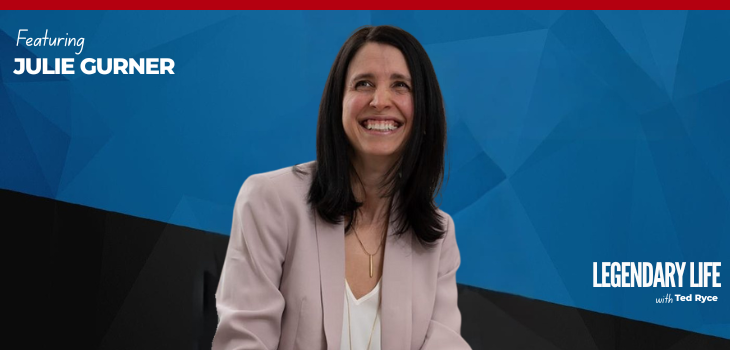
In this episode, Ted sits down with executive performance psychologist Dr. Julie Gurner to explore why driven people struggle with stress, control, motivation, and identity as their responsibilities grow. The conversation breaks down how success can outpace personal growth—and what happens when it does.
This episode offers a clear, grounded look at the psychological shifts required to sustain performance, health, and fulfillment at higher levels. Listen now.
Today’s Guest
Dr. Julie Gurner
Dr. Julie Gurner is a doctor psychology and executive performance coach who works with high-level executives, founders, and elite performers in tech, finance, and other high-stakes industries. She is the founder of Ultra Successful, a widely read newsletter focused on the psychology of exceptional performance, and has been described by The Wall Street Journal as a real-world counterpart to Wendy Rhoades from Billions.
Connect to Dr. Julie Gurner:
Website: DrGurner.com
Substack: DrGurner.substack.com
X: @drgurner
Instagram: @drgurner
You’ll learn:
- Why high performers often sabotage success as their identity lags behind growth
- How control, stress, and overload quietly limit cognitive performance
- The difference between productive stress and stress that undermines decision-making
- Why motivation, discipline, and grinding are often misunderstood at high levels
What Ted and Alex discuss:
00:00 Introduction
00:42 Meet Dr. Julie Gurner: Performance Psychologist
02:13 High Performers and Fitness
03:40 The Role of Sleep in Performance
05:24 Cognitive Optimization for High Achievers
11:05 Managing Stress for Executives
14:01 Letting Go of Control to Succeed
14:49 The 80% Rule: Delegating for Growth
15:33 Building a Team: The Key to Scaling
16:18 Personal Growth for Business Success
17:03 Balancing Control and Delegation
18:31 Choosing the Right Business Partner
20:00 The Importance of Self-Belief
26:17 Final Thoughts
Related Episodes:
How To Unlock Your True Potential in a Stressful World with Dr. Chris Friesen, Ph.D.
The Framework That Will Change How You Work and Live with Ryan Hanley
Links Mentioned:
Connect with Ted on X, Instagram, Facebook, LinkedIn
READY TO TRANSFORM YOUR BODY AFTER 40?
Watch my Lean After 40 free masterclass to discover how successful men are losing 15-20 pounds and building lean muscle in just 12 weeks—without weight loss drugs, time-consuming workouts, or giving up their social lives.
Podcast Transcription: How the Ultra Successful Think (and Why Most People Self-Sabotage) with Dr. Julie Gurner
Ted Ryce: Dr. Julie Gerner, thanks so much for coming on the Legendary Live podcast. Really excited to speak with you today.
Julie Gurner: I'm excited to be here, Ted, it's such a pleasure to meet you.
Ted Ryce: Yeah, we've had a little bit of back and forth on X, formerly known as Twitter and I. As soon as I saw you, I forget how I stumbled upon you, but I really liked what you had to say.
It was very different than a lot of maybe the positive. So you're very positive, but the kind of pop positive psychology. Um, so really excited to dive in and the way I wanna start this conversation is why did the Wall Street Journal compare you to Wendy Rhodes of Billions?
Julie Gurner: You know, that was such an interesting, um, an interesting thing that happened.
It was the first time I could tell my mom, like, this is what I do for a living. I think she's always been confused, you know, are you a therapist? Are you like, what do you do? Are you a business consultant? Like, what actually do you do? So it was a great opportunity for me to explain to family and others like, this is kind of what I do only far more ethically.
And, um, and you know, like. I'm, I'm better with my clients. I like to think than that. But nonetheless, um, the reason why they made that comparison, I think is because we generally do the same job, right? We work, I work with people who are. In high pressure, high stakes environments who are, you know, fairly well established in business, who have, you know, are continuing to kind of push the envelope and really need and kind of want someone there who helps to kind of steer that direction and help them grow in a way that's going to be effective and kind of maximizes their potential.
Even in a seat where many people see them as being like, kind of at the peak of their potential. You know, deep down those folks know that there's still a lot more in the tank. And so it's my job to kind of eek that stuff out and make sure they're getting where they want to go.
Ted Ryce: Love it. And if you're listening right now, you haven't checked out this show Billions.
Um, it's, it's. Just watch a few clips or a few episodes with, uh, Wendy. It, it, it's such a great show. So well done. And Julie, before we hopped on and started recording, you said we, we share similar clientele, but you said something so fascinating when it comes to fitness. Can you repeat what you said and then let's dive into that conversation.
Julie Gurner: Sure. You know, one of the things we were talking about beforehand is how we do have this overlap. And I stated, you know, well my clients, you know, actually being like getting into fitness is an outlier. Like most of them are not necessarily folks, even though they are incredibly high performers. I mean, if you even look at some of the highest operating people, um, whether it's in tech and otherwise, you'll see that, like, they tend to get into fitness like after they've done a lot of their building, right?
Like Mark Zuckerberg is like. After he is done a lot with meta and then he's like in BJJ and he is very like, fit and um, and you see the same with, you know, Jeff. So it's, it's interesting to me that like, you know, the people, I do have a few clients who are very into fitness, but they are the outliers of the group.
Ted Ryce: What are your thoughts on that? Do you try to coach 'em to get into fitness or, I've seen you talk about like, hey, listen, sometimes you need to push everything to the side and just go for you what you want. Now, of course, I'm, I'm paraphrasing you there. If, if I'm missing context or something, uh, feel free to dive in.
But how do you approach that with clients?
Julie Gurner: You know, I, I know who they are and I know what lines that they draw. So I try to think about what are the things that I can do. You know, my job is primarily like psychological in that like we look for unlocks to kind of continue to push them cognitively forward and, and kind of thinking about it more in that way.
But the baseline functioning of anyone is, you know, there's a lot of physiological components that are incredibly important. I think that the first thing I do is I try to look at like, sleep, right? Like sleep is a foundation of everything else. And so while I know that I can probably tweak more and, and this is where like I start to, you know, express more nuance things as we go, but like if I can get like a foundation of sleep.
And make sure that they are actually sleeping, you know, not just seven to nine hours, like not their seven. Hopefully they're seven to nine hours a night. Because even what we know from the research is even if you're sleeping five hours a night, which people would say, well, that's fine. We see dramatic impacts on cognitive function, even with kind of what we would say, minimal sleep deprivation.
So I try to look at things like sleep, where I can say, okay, there's a foundation. And then as we kind of move up and they've kind of gotten that on track and you know, we're working through other things where they have pushes and other and other types of elements, we start to talk about small optimizations.
And that can be something like. You know, cardiovascular fitness, it can be like, I try to frame it to be frank in challenges because they love a challenge. So like, you know, I've had a client who wanted to go and climb a mountain, and so like, but to do that you can't just, you know, take your helicopter and climb a mountain, you have to actually train for that.
And so if they have goals, they tend to respond a little bit better than just saying, Hey, you really should get in the gym and lift some weights. That's not gonna be something they're probably gonna take. Oh, it's harder to convince them to take time outta their day for something like that. But if they have a goal.
Sometimes we'll look at it as, you know, kind of a well-formed life. Like you wanna have challenges in your work. You, you have a great foundation in your personal life and maybe you wanna challenge outside of that, like, you know, a triathlon or running your first 5K or, you know, climbing a mountain or going skiing this winter.
You wanna be in a place where you can do that and actually be the good one among your friends. You don't wanna be the one that like. You know, falls out, right? I mean, how embarrassing. So they are people who care about, I mean, everybody cares about that stuff. And so I try to frame it in terms of challenges, but it does help them to perform better everywhere if we can kind of shore some of those areas up too.
Ted Ryce: Yeah. You know, something that I think doesn't get talked about enough is I push fitness, health, and fitness hard. I'm a, I don't say zealot, but you know, almost right. At the same time, I feel like, and, and so many other health and fitness coaches do the same thing, but I started, as I've gotten older, I'm 48.
As I've gotten older, I've started to realize, oh, these guys, it, it's an opportunity cost. If you're growing a business and operating at a high level and there's only certain so many hours in a day and you don't want your wife to divorce you or your kids to end up in a bad situation 'cause you're not around or you know, your, your husband as the case may be to leave you.
It's like it, it does. It's an opportunity cost and so it's interesting that you frame it as challenges. I want to, if, if you got a follow up there, go for it. But I want to come back to what you talked about earlier. You said that you help your clients push forward cognitively. What does that mean and what does that look like?
Because what we believe here, it's like health is the bio-psychosocial model. There's the psychological side, social side. But it's, most people just think it's physical. So when it comes to cognitively helping your clients push forward, what does that mean? What does that look like?
Julie Gurner: Sure. I mean, like, if people think about psychology, traditionally, they always think about like psychology and therapy for some reason, which is not what I do.
But, you know, there are mountains and mountains of journals around how to kind of make sick people well, but in the, in the kind of details of that. There are things where if you are a high functioning, you know, person who's operating in high stress environments, who needs to make very solid decisions, who needs to be, you know, present and effective, there are always little tweaks that you can do to get people, like, instead of going from health to wellness, you get people who are operating very well and then you can see the little cracks to make them optimal.
And that's really where my opportunities are, right? The person who, you know like is, you know, they know they have more in the tank and they can't figure out why they're not there. And for the most of the people, they would look at that person and say, you know, guy, you ha, you are doing well. Like, what are you worried about?
But for them, they see kind of untapped potential that's still kind of behind the curtain. And usually those things are not a matter of skill because. They will learn any skill you ask the, they need to learn to get where they want to go. So the thing holding them back is themselves, and they know it, but they, they don't have enough insight into it.
And if you look at the people around them, they tend to be people who are pleasing them. And so they're probably not going to point out some challenges that they may be having, or blind spots that they may have. And so it's really my job to say, okay, where is the thing that, what's the thing they're not seeing?
What are the areas that they need some pushback on? What are the areas they need to unlock or that they feel like really locked up around and you know, like kind of unlocking unblocking and getting people where they need to be. I think about it and sometimes I'll describe it this way. Is that like if you, if you can go with a football analogy, like, my job is to make sure that that guy can run the entire way down the field and that the blockers are, everything is blocked so that he can get where he wants to go as efficiently and effectively as possible.
And some of those things that need to be blocked out are things like, you know, your tendency toward shiny objects, your, uh, the way in which your calendar is managed. It could be the people that are around you that you like but aren't effective. It could be a lot of different things that are allowing.
The blockers to exist. And so, you know, like we get really honest and it, what's fantastic about it are these are people who love to be challenged. They're people who will take the pushback and um, and I think that it's, for some of them maybe the. One of the rare places where they really get to self-examine in a setting where someone has absolutely no skin in the game.
Like, you know, like I'm not, um, their executives that they're going to, that is dependent on them for, you know, their salary or their career or their equity or any of that. My job is aligned with theirs. Like if they succeed, I succeed and. And so like we're completely aligned and I will push hard to make sure they get where they wanna go.
Ted Ryce: Yeah. It's so funny because I see a lot of parallels in what I do as well. We deal with a lot of people who are surrounded by, yes. Or Or people pleasing. Yes. Men, yes women. And uh, then when we have a conversation, I'm always careful to approach the conversation in a productive way. I don't, I, you know, I don't know if you know who DA David Goggins is, for example.
I do. What do you think about like, people who feel they need that type of. I don't know. It's almost like, uh, someone to berate you and, and to call you names. I tell clients I don't attract clients who like that, but I feel like sometimes I could be harder on them or they want that type of thing, and I'm just like, that's not really my style.
I, and I feel like if I am harder on you or start to call you names and provided that you respond to that type of. Coaching what's gonna happen when nobody's there to call you names, right? Nobody in your circle's gonna do it. You, you don't wanna work with me anymore 'cause we've been together for long enough to achieve the goals.
Like, how are you gonna maintain it? Can you talk a little bit about. Your views on that?
Julie Gurner: Oh, yeah, I think it's a really great point because for me, I think about that as, uh, facilitating dependency. You know, like I, if you are dependent on me, like my goal in working with any of my clients is that they don't need me.
I don't want them to need me. And so like, I'm sure that for you. As someone who wants to instill a certain work ethic and discipline and you know, a way of maintaining their fitness, you don't want them to be completely dependent on you for, you know, their every workout for the next 20 years of their life.
You want to be able to probably, I mean, I can't speak for you, but for me, I think about the fact that like. If you are dependent on me and, you know, time has passed, I have not done my job right. I, I think about it as tapping into something in you that can connect with the force necessary to do the things that you want to do and, and kind of connecting up.
The obs obsession and the goals and your drive with the goals that you have so that you can push forward with momentum and you don't, you don't need me for that. I, I don't ever wanna be, if I want it more than you. Then I don't go into that area. Like for me, I would never take that client if they say, Hey, I'm not motivated to build a business, Dr.
Gerner, can you help me? I would say we are not a good fit. You know, like, I don't, that's not the kind of person I can work with because I can't instill drive in you. Uh, and, and at least in my work, I can't instill drive. Someone's gotta have the drive. And maybe it's misdirected. Maybe there's a challenge in focusing it, but I can't want it more than you do or we can't work together.
Ted Ryce: Yeah. It's so funny you say that because, I mean, it's cliche in my world where people are like, well, I'm just not motivated. I'm like, well, what do you want me to do to paying me money might motivate you, but probably not. Not in the way that you want to the extent that you want. What are your views on motivation, and maybe for someone listening right now who has that belief like, well, I would do more, but I'm just not motivated.
Julie Gurner: Yeah. I think that it's different in my world than probably yours because I think that for some people, having something they commit to where they show up is a way of starting a pattern that begins to build. A habit that becomes something that they see evidence of, that they love. Like I, I could imagine that that someone, and again this is just me imagining, so I'm not sure, but I could imagine if somebody is really struggling with their fitness and they would pay you a certain amount and you know, you show up or they show up to the call or whatever the structure is, they start to have these workouts.
Maybe it's challenging for them at first, but since they have you waiting on them, they feel more engaged in showing up. They start to see sort of their body change. And then they gain a little bit more motivation. They're like, oh, this stuff really works. You know, like, and so I'm gonna keep doing it. How much can we get?
Now they're looking a little bit better. How much better could I look? How much better? You know, like, so there's a different physical kind of change that happens. Whereas I think that in my work, if you show up and say, Hey, motivate me, like my expectation is that. We meet for one hour, maybe once a week for, for a period of time.
But the rest, the, the hard work is going to happen when I'm not there. And so, unlike you, where the hard work happens oftentimes when you are there. And so for me, I'm relying on the fact that their motivation is going to be doing the work until I see them the next time. And, you know, my job is not that they're going to, like, I can't control how they behave in their companies.
I can't control. You know, the types of decisions they're going to make. But we set a path and a course and a commitment during the time we talk where they are doing, they're accountable for things, they're trying different things, they're committing to different things, and it's on them to execute that when I'm not in the room.
And so, you know, and we'll follow up and kind of talk about some of these things or maybe barriers or obstacles or challenges or, you know, problems, but. You know, they need to execute when I'm not in the room. And that's probably the big difference between you and I.
Ted Ryce: Yeah. When I was a personal trainer, that was definitely true.
These days it's all virtual, so it's on them to follow the plan. It, I do meet with clients in person, but it's a, it's a very, it's only for a weekend and, and it's, it'll be spread out through the year, so, so they're very much having to do the right things that well. That's the type of client we like to work with.
Personal training doesn't work that well. I mean, that's why I spent 19 years in it. I was just like, I gotta get out of this. People don't really, they just go to Europe, get, get chubby, right. And then come back and start, the whole thing starts again. At least I was, and, and I was working nothing against the clients I was working with at Miami Beach.
There were amazing people at the end of my. If you want to call it career there, but I just, um, I felt like I was more babysitting than helping people break through to, to bigger levels of health. And, uh, I'm, and I'm like obsessed with longevity right now. Right. I don't wanna go out with a. With, with a preventable chronic disease like heart disease, you know, so, or, or diabetes.
Julie Gurner: And that's something that most of my clients do care about. I mean, they care about longevity, they care about, uh, you know, like all of the blood work and the scans and the making sure that they're on top of those things. So that's something that actually is, I think, gets a lot of engagement.
Ted Ryce: Yeah. And, um.
Talk to me a little bit about how do you coach people on stress and. What does that word mean for you? Like, because to choose entrepreneurship or to be an executive, it's stressful, right? You're choosing to be stressed and take it away.
Julie Gurner: Stress is a baseline, right? And it's stressful even when you're doing things that you love, because those things are gonna go through cycles and they're gonna be up and down and you know you're going to have days when you do very well and you're gonna have times or seasons when you're, you know, you're not doing as well or they're.
Are cycles in the company that are not what you expect. So for me, I think about, you know, like, how do you, like, one of the things I think about with stress is that once it reaches a level, like how do we know that the stress is no longer productive? Is it that, you know, usually what the signs that you'll see is that.
You know, they're not engaging in certain things they should be engaging in because again, they're just trying to cognitively lighten their load. It's what people do when they're overwhelmed, right? Like they just, you know, they opt out of some things. They try to give themself like. More room. But in doing that, they're putting things off.
So there's more procrastination. There's oftentimes things that they just opt out of that were really exciting initiatives that they were going to do. So we look at like, what are the drivers of, like, what are the signals? Number one, that you are too stressed right now. Like what are the things that we're seeing?
Is it overwhelm? Is it, you know, decision making starts to drag out? Is it, you know, like there's a lot of different types of things that we can pinpoint and everybody's different. And then we say, well, what's driving it? What are the problems driving it? So it could be like, you know, I had one person who, for example, didn't have an assistant for a period of time completely overwhelmed by their own schedule.
Like, and so, you know, obviously there's a clear obvious plug to that. But in almost every case when someone is dealing with stress, you can ask someone. Okay. Tell me a little bit about the most stressful things you're facing right now, and they're happy to talk, talk to you about it. And then you just start to dive in and say, well, if you were to solve this in, in an ideal world, how would you solve it?
Like, what are the things that we can do to kind of take this off your plate? Or what are the things we can do to make this easier? And they usually know what those things are, but when people are overwhelmed, they're not taking the time to like play back the tape and like actually explore those things.
And so then you begin to take things, you know, off of their plate, they can run a little bit better, you know, to that analogy. And you know, you relieve some of the stress points. So you know, you just, everything is a process of like it you can, you can do surgically and you make it so that they have the best cognitive space to do their highest and best work.
Like I want everybody, my goal really. And if it gives anything away, my goal is always to pull everyone I work with into their, like the thing that only they can do that is their highest and best use because if somebody else can do it, they should be doing it. If someone else can do it better than you, they should be doing it.
And so your best use in your job and if you're running a company, is always going to be the thing that you do exceptionally well, that you are the top 1% at. I wanna put you in that as much as humanly possible, 70% of your day, not, you know, like the time between meetings that you're trying to like, make that happen.
So that's what I'm trying to do all the time, is just shove them in that place, shove them in that place, and they fly. Like, I mean, it's a great. It's a great thing to do, but it's a hard thing to do because people don't wanna give up the stuff that they're, uh, pretty good at. Right. Or that they're high control around or any of those other things.
It's, it's hard to do, but when you do it, their company moves, revenue moves, bottom line moves, like they're happier.
Ted Ryce: Yeah, it's so funny. Um, I find myself often, depending on the client, I remember a client I was talking to, he was running a company and, uh, I forget what type I think it was, it was having to do with real estate 'cause it was a, a little while back, but.
I, I started talking to him. He was like, no, well, I, I don't have that much time to exercise. And I always, you know, get into the conversation, well, why not? What's going on? He was like, yeah, well, I'm doing all this stuff for the business, and yeah, I could probably, I could probably get someone else to do it, but like he, he just didn't wanna let go control.
Right. Can you talk about like, how someone listening right now, maybe help them gain some awareness? Like if you feel you're in a situation where. You're like that guy, his life could be better, but he's gripping onto things and says, and and it's almost like Julie. He maybe has, I don't know if you, what word you would use.
It would be like a compulsion to just like, I don't wanna let this go because I don't wanna face anything else. What's behind that?
Julie Gurner: So I think that's a, that's a fantastic question and I think that your listeners will really benefit. So I think when you're building anything and you're an ambitious person, you are always the one who does every job, right?
Like, I mean, you do everything and you probably did it with your own business, but like, and I certainly have where, you know, like your ambitious, you can take on a lot of things. You can multitask and so you do and you do all the nuts and bolts. And you know, in order for your business to evolve, you have to evolve.
So other people have to start doing some of those things. The challenge is that people start equating like grinding with like working, and that's a problem because especially like, let's just say real estate, some of the most successful real estate guys that I've worked with spend a lot of time doing things like golf, networking dinners.
You know, connecting, flying places to, you know, speak with investors. I mean, like all of those things don't feel like work when you're a guy who's used to like, I wanna control, like, be a part of this transaction or be a part of the details and do all that stuff like that. Feels like the work. But the real work is where you have the highest do like highest dollar value.
And if you find yourself like kind of holding onto control, what you're doing is you're setting your own ceiling, right? Because you can't evolve. If you have to keep your hands in the pudding of all of that, you will not have hands to do all of these other things that are forward reaching. So you're just gonna keep your hands in those, that pudding and the sacrifices.
You are setting a ceiling for yourself and the only way to change that is to change like the capacity that you have and you can't make more time. There's only 24 hours in a day, so how do you free up that time now? And the only, the only path forward is to say, is it okay if someone does that job at 80% of what I can do?
Is, is that okay with me? And people hate it, right? Like, 'cause they want it to be done to a hundred percent. But the truth is, if you can sacrifice and be like, if it's 80% good, then you can do all of these other things that grow your business five, 10 times over. Is that worth it? And that person will evolve.
Like, you know, 80% will turn into 85, or you may find somebody who does it just as well as you that you have to spend some time with, but you don't wanna cap yourself. So unfortunately, you know that person is setting a ceiling and even though it feels like success, he can't make more time, he can't make more time so he can exercise, he can't make more time so that he can get other transactions if he's already underwater and like drowning in the amount that he has.
And, you know, in real estate, people will do a ton of transactions themselves. And eventually they all realize like, I need a team. And, you know, they build out their team. And so like, and it doesn't matter if you're, you know, small or big, you've, you can't do everything yourself or you will be smaller than you otherwise could be.
And so when you finally realize that. You have to start thinking about the things you have to, uh, begin to do to get people in seats so that you can do the things you need to do to begin to really start to reach your potential. 'cause what you'll see, which is the worst, is that you're gonna start to see people that started in the business with you grow faster than you.
They're gonna get bigger than you. They're gonna earn more than you. They're gonna take more market share than you. And it's because you can't let go. And the only way you can run up ahead of your company is if you let go of some of the things within it. So, and it's gonna get real demoralizing very quickly when you start watching that person who started two years after you like lap you in transactions, that's gonna suck.
So you gotta make these hard calls because, and again, here's a great example of how. The business can't evolve faster than the leader evolves. And so you've gotta, like, it's about you personally. Like you have all the skills, probably great at your job, but you've gotta make changes personally. And like, that's where someone like me would be like, alright, let's talk about what's going on here.
Like what are your goals? And you know, like financial goals coming into the coming year. And he probably will tell you that they're higher than. You know, it was the previous year. Where are you gonna find the time? How are you gonna do that? Let's talk about a path to getting there. What are the things that are holding you back?
You know? And all of the, they don't have mind share. They don't have the time to network, you know, so. I don't wanna ramble. So, but yeah, that's the, uh, that's the way.
Ted Ryce: Yeah, no, not, it's not rambling at all. I'm taking it all in and, and just thinking about some of the situations, my own situation, it's kind of funny.
I think my business partner, uh, would benefit, uh, I'm sure I would, uh, enjoy working with you as well, but. My business partner's more the type that has the control issue. She, she's amazing. I'm always looking to, like, how can I, I, I, I make the opposite mistake where I try to pass things off too quick. And they're not, and they don't do a good job.
And then I have to go back and do the work anyway, and I'm like, oh my gosh.
Julie Gurner: Yeah. So one of the things, there's a good, there's a good middle ground, right? Like, so there are ways in which you set up structures to, to kind of let people know, like, this is how you win in your role. So like with your partner who may be very high control, like are there metrics that they could be reporting into her?
So she under, or reports that she's getting every day like a on her screen. That's kind of showing her the stats of where everything is at all the time. So she can just kinda look at her, uh, you know, kind of control board and know exactly where things are and they don't need, you don't need people to be like kind of lording over people or figuring it out.
You'll see immediately when things are off. If you're someone who's high control, you know how to read the numbers. It's super transparent and you give people ways, like, this is what it looks like to win in our organization. These are the metrics you need to hit this quarter, and. You know, see what they do, have them reporting in on it weekly or whatever the time, whatever the thing is, and see what they can do.
And they should come to you with any questions, but it makes people feel better to be able to check on those things on a regular basis.
Ted Ryce: Yeah. Yeah. She is, uh, she, she needs that to function well. She really needs some, some feedback. And I also wanted to ask you, I, I worked with a client, great guy, very.
Amicable and, uh, personable. Just, just great guy. And he was talking to me about his business partner, so this is a man, he's built his business up, ended up selling it, but stayed on to help the transition. You're probably a lot more versed in, in those situations.
Julie Gurner: Yeah. And earn out or something. Yeah.
Ted Ryce: Right.
And, but he was talking about his relationship with his business partner and it, it sounded like a, like, obviously, uh, well, he was married to, to a woman, but it sounded like they were like in a toxic marriage. But it, it. The parallels were there. Can you talk about like, do you see that often? How do you know you're in, let's say, a toxic business relationship or perhaps a toxic, uh, company?
Julie Gurner: Yeah, the wrong partner, business partner is a very. Very significant reason why even like startups fail, right? They have the wrong co-founder, the wrong dynamic, they're not aligned. And so, you know, you should choose your business partner as carefully as you choose a spouse. And hopefully that's with some caution, right?
Like hopefully you are choosing your spouse carefully. So that's assuming that amount of rigor, but like. You really should think about that because you will be spending a lot of time with them. They have to be solid communicators. You have to be a solid communicator. You have to be able to work through challenges and solve problems.
Um, you know, sometimes I'm called in to kind of resolve. Disagreements. And that's always a real challenge because people are very passionate about their particular perspective. But if you do it right, you know, and you have a great co-founder or a great business partner, those things can work wonderfully.
And they don't have to be, you know, every business partner won't look the same, but they have to be the right fit for you personally. So, for example, I've had a client who. Knew that he wasn't really great with, uh, like people, like his, his people skills was, were not his big thing. He is a very technical guy.
It wasn't his strong suit. And so his business partner was fantastic, uh, leader of people. And so they could be very, very different and have very, very different amounts of expertise. But, or they, they were completely aligned on the mission, very supportive of each other, really understood like what they were responsible for.
Very high ownership. Um, very like high accountability. And it ended up working out really well. But you'll have others that like, you know, they don't find, they both wanna be kind of like the front facing person or they get jealous of each other, or there are challenges around how they think about the direction of the company, you know, the initiatives and they don't know how to resolve problems.
It's, it's kind of like if you're gonna have a great marriage, you have to learn how to fight correctly because you're gonna have disagreements. And so it always has to be, if you're going to do it effectively. Like me and you versus the problem. Not me versus you. Like if it's me versus you, we're in a war, right?
Like we're gonna, and when you have very aggressive people, they're gonna rip each other, right? Like, especially if you have really aggressive people. But if you have really aggressive people and it's both of them versus a problem, it's like you get the benefit of both of them kind of tackling the problem from their own frame of reference and it becomes a really powerful force and a, a force of creativity.
So you do want people who understand how to like, resolve and fight in a way that doesn't, uh, you know, put their relationship in disrepair. Not always easy to do because people are passionate and, you know, yell at each other and, you know, get angry about the business and it's high stakes, but. Choose your partner carefully.
Ted Ryce: Yeah. In, in our case, I feel really good with my business partner right now, but it's because we both, we both done therapy. We both, uh, to your point, we've worked on evolving ourselves, growing in other ways, coaching, and, and so now we're, we're at a really good place. We do have arguments occasionally, but it, but I feel very lucky.
I remember also hearing about a, a similar business to ours, a coaching business. And, um, they didn't talk about their, their fighting or anything like that. I believe it was, it was a husband and wife, but they like just blew the company up. They went from making zero to like $5 million a year in, in, uh, just a few years, but they ended up blowing it up.
Why does self sa or, or sabotage, maybe it's not always self, maybe there's more selves involved, but why does sabotage happen? I remember reading this, this is in part of an entrepreneur group and I was just like, man, you give. My business is not making 5 million a, a year. Right? So it's like if you gave me that, I would figure out, like I might lose money, but I, IW you know what I mean?
Like, I'm not the person, meaning I don't have the skills, knowledge, my, whatever I, I need, uh, to be, to, to, to build my business to that level that fast. But man, if you gave it to me, I feel like I could do a pretty good job. But they blew it up. Why? Why does that happen in your experience?
Julie Gurner: That's such a good question.
I think that there are a lot of, a lot of times what you find is that, I mean, and this is not always true, but I mean because people can sabotage at others, right? And then that's something that's like the worst dynamic. So if you have, like,
Ted Ryce: what do you mean by that?
Julie Gurner: If you have a couple and they're not getting along, you could have one person who says, you know what?
I'm out. We can just burn this place to the ground. I don't really care. And they find a way to like. Just burn it all right. Like so you can have that dynamic, which you never want and is probably the most toxic thing you could find if it was in a, in a couple or relationship. But for the most part, I would say probably the, the biggest reason that people sabotage the progress or the goals that they have is that they personally, and, and I'll, I'll say a little bit more about it, but like sometimes people professionally move very quickly in their life, um, but they personally have not caught up.
To understanding who they are in that seat, like they still see themselves as the person who either doesn't deserve it, uh, doesn't belong in those rooms. Uh, it got lucky, like all those things, and we see that reinforced sometimes on social media. People be like, oh, you know, like there's a lot of luck.
Well, I mean, in my opinion, the luck comes after the work, right? So like nobody just has luck, fall from the sky and has a $5 million business, or a 10 million or a hundred million dollars business. They actually put themselves out there. They did a lot of work. Maybe they saw some opportunities that were fortunate.
But they would never have seen them if they wouldn't have done the back work. So luck to me is always a very interesting thing in business because it comes after a lot of work. But the, the sabotaging, uh, element is because people don't see themselves. Like you will never grow beyond where you see yourself belonging or being, or who you are.
So if you say like, you know, I'm basically, a lot of these people, when you look at how they operate, they see their company in themselves as. Like they see how it can be worth 25, 50, $200 million. They just have to get there. And then once they're there, they're like, okay, like this is what I always knew. It could be what I always hoped it could be.
And they're sitting in that seat comfortably. But when you get someone who's like, company grows really fast. And they still see themselves as like, Hey, I'm still a scrappy startup guy, but like your company is 20 million bucks. You're not scrappy startup guy anymore. And now you're nervous when you go to like partner to meetings to partner with, you know, other companies.
You feel like, oh, you know, if they give us our nod, that's a big deal when really you're bringing a lot of value to that room and you're kind of not owning that. People say, well what is it with this guy? Like, is he not confident in his product? Like, what's going on there? Like people start reverting to the person that they see themselves as, not the person that they actually are, because if they own that position, they end up, you know, kind of pushing the company forward and doing well.
And then you see people. Who own a position far greater than where they're actually sitting. And that tends to work out well too. Like, you know, there's a really famous story about, I think his name's Jesse Itzler, who like the NetJets guy, you know, and he, he took all these chances and got all in all these rooms.
He really, like everyone would say, he had no business being in, but he felt he had business being there. And so people ended up listening to him. He ended up cutting some really great deals that he shouldn't, should never have done, you know, by any one stretch of the imagination. But because he felt that he saw himself in those seats, other people had a belief in him as well.
That self-belief is, is just kind of everything. So if you still see yourself as like, you know, I'm just a guy from X suburb or whatever, and I, you know, like, I don't belong in these rooms, or like, yeah, that's not really me. Then everyone's gonna see that. That's not really you. You're not gonna act like that's really you.
You're gonna seem out of place. You're gonna feel out of place. You're not gonna make the decisions that you need to make. You're gonna probably play a lot smaller than you need to, and then your company is gonna kind of reduce down to the level at which you play, right? You have to be big, play big, own your position, grow with the company, not allow the company to outgrow you.
And because if you have to play catch up, that's a really tough place to be in. So people end up sabotaging because then the company feels more comfortable, right? Like, this is the kind of company I kind of deserve. It's the kind of company that fits with a guy or a woman like me. And that's a small place to be because eventually you end up saying, yeah, I don't know what happened.
Like I had this shot and for some reason it just didn't work out. And that for some reason is you. It's always you. That's how we think about it.
Ted Ryce: I've referred to that, I don't know where I got it, but identity lag when someone gets very successful, but they're still acting. I had clients that were, uh, this was mu, these weren't business owners, but they were high performing professionals.
They. They weren't paying people to clean their house. It's like you're ta it's, if you really enjoy it, go for it. But you're, you're here, you want to change your fitness and you're not, you're cleaning your house like, what's going on? You know, and, and peop it's so strange. Um, but it happens. I do wanna ask you though, the way you're talking right now, it's like, oh, you have this big shot and everything and you could grow a company and um, you know, you wanna really go for it.
How do we know? I remember having a, a, a convers, how do we know when to stop? I remember having a conversation with a friend of mine. He has a, a successful company. It's seven figure company. You know, super duper eight whatever, whatever. Uh, but doing a nine figure, but it was doing really well and he was part of Tony Robbins Business Mastery, and I remember him coming back from it and he was just like, man, I don't want to go to the next level.
I feel like what? I need to do to get there is not what I want to do. It's not what's gonna make me happy, so, so Julie, how do we know when a situation, now I'm using my friend, but for anyone who feels like it, they're in that situation. How do we know that's our best self talking or our. Be as self talking.
Julie Gurner: Yeah, that's, it's a really great point, and I think your friend is someone that we never talk about, especially on social media. No one talks about the person who says, look, I have a fantastic life. I have everything that I need. My company is very manageable, or my job is very manageable and this is my, like, this is my ideal.
This is what I want. This is what makes me happy and like. Other people might wanna be Elon Musk and or other people might wanna have that big, you know, nine figure exit. Not me. I'm happy with free ca cash flow, a great life, good retirement, a family that loves me, and, um, and I'm, I'm pretty happy where I'm at.
And this is where like this is. What I would say is my ideal. I think as long as you aren't gonna look back with regret, that you feel like this is the thing that genuinely makes you happy to me, like you win. Like if you can be at a place where you say, look, I'm gonna have no regrets. I'm very happy. This is what I want in my life, you win.
And I don't care if that is, you know, you are a. Maintenance worker, or you are somebody who is, you know, making millions of dollars a year, like your happiness and what that calibrates to is gonna be different for every person. And if you say, you know, like, Hey, I, I think that my life would be fantastic at like.
5 million a year or 10 million a year, whatever it is for you, or my life would be really happy at 90,000 a year, and that's all I need. Um, and that actually makes me happy. Then you win. I think that it's a lack of, you know, regret and feeling like you actually have like the life that you want. When you ask people like, what does your ideal life look like?
Some people will give you answers that are, you know, very materialistic. Some people will give you answers that are much more like family focused. Some people will give you answers that are very comprehensive. But I hope that everyone listening really thinks to themselves like, what does my ideal life look like?
And the, the truth of it is that's so wild, is that if you actually calculate out what it takes to have that life. The financial figure is usually far lower than you think. Like it's crazy, like how much you actually need to live a life that is ideal for you. And once you get there, you can make a decision as to whether or not you wanna go further or this is actually like, you know, I'm good.
I think it takes a lot of courage to say, I'm good if you actually are good, and not just do things for other people's social nod or Instagram or whatever it is. But I, I do think if you're, if you say like, I'm good because you just wanna fit in with, you know, the social circle that you're at, and there's a, there's a lot of secondary gain, right?
Like staying the same, keeps people comfortable with who you are. You know, like, you know, your wife's friends or your husband's friends. Like you're in the same circle. You have the same interests. And like as you move and you continue to grow, you start, you have different, sometimes you have different interests, you have different schedules.
You can't do the same things. Your life looks different. You make different sacrifices and that changes. It shakes up your life. And so if you're doing it just because you want the secondary gain and the nod of other people, I think that's very different than just deciding like, but you should be the, the decider.
And I think that's the, to me that's the difference. You know, if you have that little voice in your head that says. You're not really happy, you're just doing that. Follow the little voice,
Ted Ryce: powerful words. Dr. Julie Gerner, really appreciate you coming on the show today. And if you've enjoyed this conversation with Julie, like I have, uh, she.
Has a Substack Ultra successful, so you go to Dr. Gerner, D-R-G-U-R-N-E-R, dot substack, S-U-B-S-T-A-C k.com. Of course, I'll have that on the show notes for this episode. You can join over 43,000 subscribers, of which I'm one. By the way, I love your, uh, reading your thank you, your substack. Uh, of course you can follow her on X, formerly known as Twitter as well.
She's, you're one of my favorite people to follow, Julie, because you just, you're, you're saying, you say some things sometimes, like nobody else is saying that about success or the price of it. The cost of it. What you need to do to get it. You don't pull punches and you don't, I don't know what you would call it.
It's not that pop psychology or the pop like motivational stuff. You really, it's like, oh, she's. She's been doing this for a long time and she's really good at what she does. That's, that's the vibe I got. So it was such a pleasure.
Julie Gurner: I've been in the trenches a long time and I think that like one of the great things about X is, like you and I have been connected on there.
I look today, I think we've, we've known each other on X for like literally years, I think. At this point, like we've interacted or engaged in some way and we've agreed and we've disagreed on things like, I mean, it's, it's fantastic. Always respectfully, by the way, on both sides. But I think that there's a genuine respect between us and, um, and I certainly, you know, respect the work that you do and how you put yourself out there and certainly promote the importance of fitness and, and high.
Functioning and making sure that people can be at their best wherever they go. So, um, our messages are pretty aligned. So it was great to meet you today. Thank you so much.
Ted Ryce: Thank you. And again, uh, if you're listening, make sure you subscribe to the show to get more of these conversations just like this.
Thanks so much for tuning in and I'll speak to you next time.
Sign up to receive email updates
Enter your name and email address below and I'll send you periodic updates about the podcast.