


Latest Episodes & Articles
October 12, 2026
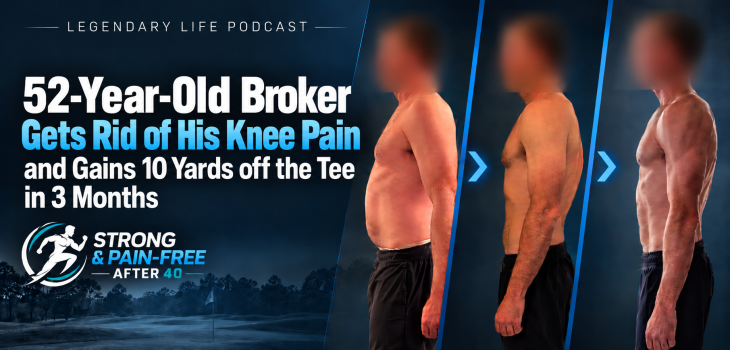
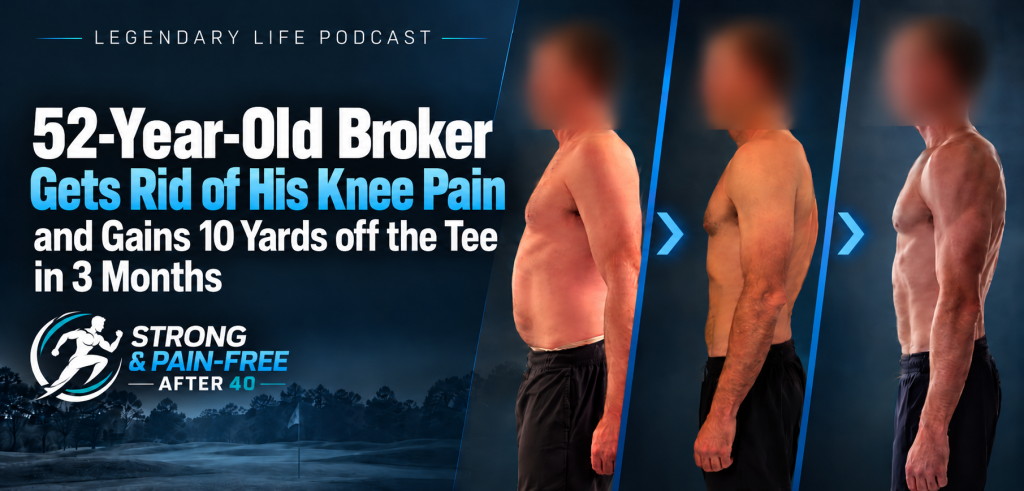
Trevor, 52, a real estate broker, came to Ted for one reason: to get rid of his knee pain so he could play golf without paying for it the next day. Three months later, he spent a week playing golf in Scotland, he's hitting the ball 10 yards further, and he feels like he's 35 again.
September 21, 2026
If an old knee, shoulder, or back injury keeps flaring up, age and “wear and tear” may not tell the whole story. In this episode, Ted explains tissue tolerance, why rehab exercises alone may not restore previous performance, and how metabolic health can influence joint inflammation, tendon quality, and recovery after 40. Listen now!
July 20, 2026
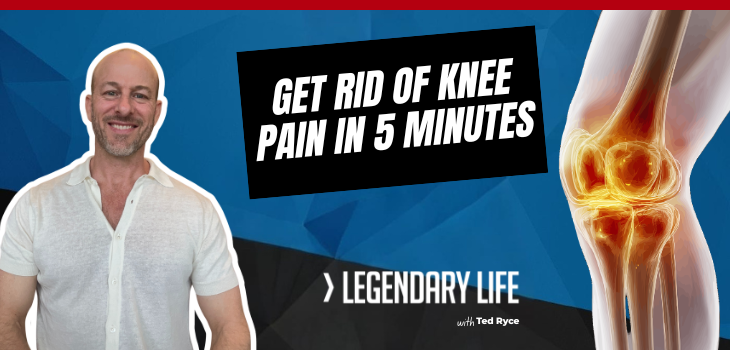
Knee pain can make running, jumping, squatting, and even everyday movement feel like things of the past. In this episode, Ted shares the simple three-exercise protocol he uses to improve how his knees feel, explains the role of progressive loading, and shows listeners how to test whether their knees respond positively in just a few minutes.
July 13, 2026
Most men over 40 think their aching knees, shoulders, and low backs are just the price of getting older. They're not. In this episode, Ted makes the case that fat loss might be the most underrated joint treatment there is — and not just for the obvious mechanical reason. Listen now!
July 6, 2026
Knee injuries can leave active men stuck between two bad options: resting too long or pushing too hard. In this episode, Ted explains why most soft tissue injuries need the right amount of movement, how flare-ups happen, and how the three-out-of-ten pain rule can guide smarter training after an injury. Listen now!
June 29, 2026
Been diagnosed with a meniscus tear and unsure whether to choose surgery, physical therapy, or both? In this episode, Ted explains how meniscus tears happen, why tear location matters, when surgery may be appropriate, and how a progressive rehab plan can help men over 40 return to the activities they love.
June 22, 2026
Have you stopped playing tennis or golf because of knee pain? Or you still play, but you're always hurting after? Maybe you think this is just what getting old feels like. Or maybe you're wondering if there's a better way. I built a method for you. Tested it on myself, then my clients. Now I'm sharing it with you. Listen now!
March 23, 2026
Most people focus on exercise and nutrition—but ignore the brain driving it all. In this episode, Ted sits down with Dr. Patrick Porter to explore how brainwaves, stress, and subconscious patterns shape performance, recovery, and behavior. He explains practical ways to train your brain for better results in health, sleep, and daily life.
March 9, 2026

In this episode, Ted talks with land investing expert Mark Podolsky about how raw land deals can generate recurring income without tenants, renovations, or property management—and the mindset shifts required to build real financial freedom.
March 2, 2026
Is in-person training really better than online coaching? In this episode, Ted breaks down the real differences between personal training and coaching, who each approach is best for, and why workouts alone rarely solve fat loss, stress, or longevity. The answer isn’t obvious—but it is practical.